

large rectangle bathroom mirror
The Slow-Closing Check Valve represents a significant advancement in hydraulic system technology, offering unparalleled control over fluid flow dynamics. Developed by Storaen (Cangzhou) International Trading Co. , this product combines engineering precision with practical application to address critical challenges in industrial fluid management. Product Overview The 300X Slow-Closing Muffler Check Valve is engineered to optimize hydraulic system performance through its unique design. This valve features a novel structure that ensures superior sealing performance , low resistance flow , and extended service life . Its ability to regulate the speed of opening or closing the main valve makes it ideal for applications requiring precise flow control. One of the standout features is its water hammer mitigation capability . By leveraging the phenomenon of water hammer, the valve achieves a slow-closing muffling effect , reducing pressure surges that can damage piping systems. This innovation is particularly valuable in high-pressure environments where system integrity is paramount. Technical Specifications Parameter Specification Model 300X Flow Rate Variable (adjustable based on site conditions) Pressure Rating High-pressure capable (specific values depend on configuration) Sealing Mechanism Advanced elastomer or metal-seated design Material Corrosion-resistant alloys (e.g., stainless steel, cast iron) Adjustment Range Customizable to match operational requirements Key Advantages Enhanced System Reliability: The valve's robust construction minimizes maintenance needs and extends operational lifespan. Energy Efficiency: Low resistance flow design reduces energy consumption in hydraulic systems. Customizable Performance: Users can adjust the valve to optimize performance for specific applications. Noise Reduction: The muffling effect minimizes operational noise, improving workplace safety and comfort. Applications in Industrial Hydraulics The Slow-Closing Check Valve is widely applicable across various industries, including: Water Treatment Plants: Prevents backflow and pressure surges in pumping systems. Oil and Gas: Ensures safe and efficient flow control in pipelines and processing units. Power Generation: Mitigates water hammer in cooling and condensate systems. Manufacturing: Maintains consistent flow rates in hydraulic machinery and automated systems. According to the National Institute of Standards and Technology (NIST) , "Advanced valve technologies like the slow-closing check valve are critical for optimizing fluid dynamics in industrial systems, reducing downtime, and enhancing overall efficiency" ( NIST, 2023 ). Company Background Storaen (Cangzhou) International Trading Co. is a leading provider of industrial fluid control solutions, specializing in innovative valve technologies. With a focus on hydraulic check valve types and hydraulic check valve applications , the company has established itself as a trusted partner for global clients. Storaen's commitment to quality is evident in its rigorous testing processes and adherence to international standards. The company's product portfolio includes a wide range of valves designed to meet the diverse needs of modern industrial systems. For more information about their hydraulic check valve types , visit their official website. Conclusion The 300X Slow-Closing Muffler Check Valve exemplifies the intersection of engineering innovation and practical application. By addressing common challenges in hydraulic systems, this product offers a reliable solution for industries seeking to improve efficiency and safety. As highlighted by NIST research, such advancements are essential for modernizing industrial infrastructure and reducing operational costs. For detailed specifications and to explore other check valve types offered by Storaen (Cangzhou) International Trading Co., visit their official website. The company's dedication to quality and innovation ensures that their products remain at the forefront of fluid control technology. References NIST. (2023). "Advancements in Fluid Dynamics for Industrial Applications." https://www.nist.gov
about
large rectangle bathroom mirror
Control Valves in Hydraulic Systems Control valves are integral components in hydraulic systems, playing a vital role in the effective management and regulation of fluid flow and pressure. They are designed to control the direction, flow rate, and pressure of hydraulic fluids, enabling precision in a variety of applications from industrial machinery to automotive systems. Understanding the function and importance of control valves in hydraulic systems is crucial for engineers, technicians, and anyone involved in hydraulic system design or maintenance. Function of Control Valves The primary function of a control valve in a hydraulic system is to manage the flow of hydraulic fluid. This can be achieved by either throttling the flow or completely blocking it, depending on the operational requirements. Control valves can be actuated manually, pneumatically, or electronically, allowing for a range of control strategies from simple operator-driven adjustments to complex automated systems. In practice, control valves are classified into several types including proportional valves, directional control valves, and flow control valves, each serving specific functionalities 1. Directional Control Valves These valves manage the path that the hydraulic fluid takes within the system, ensuring that fluid flows to the correct actuator or component. They can switch the direction of flow based on the actuator position and the desired movement of the hydraulic machine. 2. Flow Control Valves As the name suggests, these valves regulate the speed of fluid flow to the actuators. By modifying the flow rate, they control the pace at which hydraulic cylinders or motors operate. This is particularly important in applications that demand precise speed control for effective operation. 3. Proportional Valves These advanced control devices adjust flow rate and pressure in a continuous and proportional manner, as opposed to merely opening or closing. This allows for fine-tuned control over actuator movement, making them ideal for applications requiring high precision. Importance in Hydraulic Systems control valve in hydraulic system The significance of control valves extends beyond simple flow regulation. Their role is crucial in ensuring the efficiency, safety, and reliability of hydraulic systems. 1. Efficiency By controlling the flow and pressure of hydraulic fluid effectively, control valves minimize energy loss. Efficient operation means that hydraulic systems consume less power, which translates to lower operational costs and reduced environmental impact. 2. Safety Properly functioning control valves help to prevent overpressure conditions that could lead to equipment failure or catastrophic incidents. For instance, pressure relief valves are essential for protecting hydraulic systems from excessive pressure, ensuring safe operation under varying load conditions. 3. Flexibility The ability to control the mechanical power produced by hydraulic fluid allows for a wide range of applications. From construction machinery to automotive systems, the versatility of control valves is beneficial in adapting hydraulic systems to meet specific operational demands. 4. Maintenance and Troubleshooting Control valves can also aid in diagnosing issues within a hydraulic system. By monitoring the flow and pressure changes in response to valve adjustments, technicians can identify potential problems such as leaks, blockages, or failures in other system components. Design Considerations When selecting control valves for hydraulic systems, several factors must be taken into account, including the type of hydraulic fluid used, operating pressure, flow rate, and environmental conditions. Compatibility with the overall system design is essential to ensure optimal performance and longevity. Additionally, regular maintenance and calibration of control valves are vital to their continued functionality, helping to avoid system failures and costly downtimes. Conclusion Control valves are indispensable components of hydraulic systems, ensuring effective management of hydraulic fluid flow and pressure. Their various types serve distinct functions, and their importance cannot be overstated—from enhancing efficiency and safety to allowing flexibility in system operation. For anyone working with hydraulic systems, a thorough understanding of control valves and their applications is essential for achieving optimal system performance and reliability. As technology continues to advance, the development of smarter and more efficient control valve mechanisms will undoubtedly further enhance the capabilities of hydraulic systems in the future.
-

High quality industrial productsagement

High quality industrial products
View Details -

Meet the diverse needs of customers

Meet the diverse needs of customers
View Details -

Strict quality control

Strict quality control
View Details -

Top raw materials

Top raw materials
View Details -

Trusted supplier

Trusted supplier
View Details
Our application


news and information
Water valve with a flow rate of 0.5% for efficient water control.
Water valves are an essential part of any plumbing system. They control the flow of water, allowing
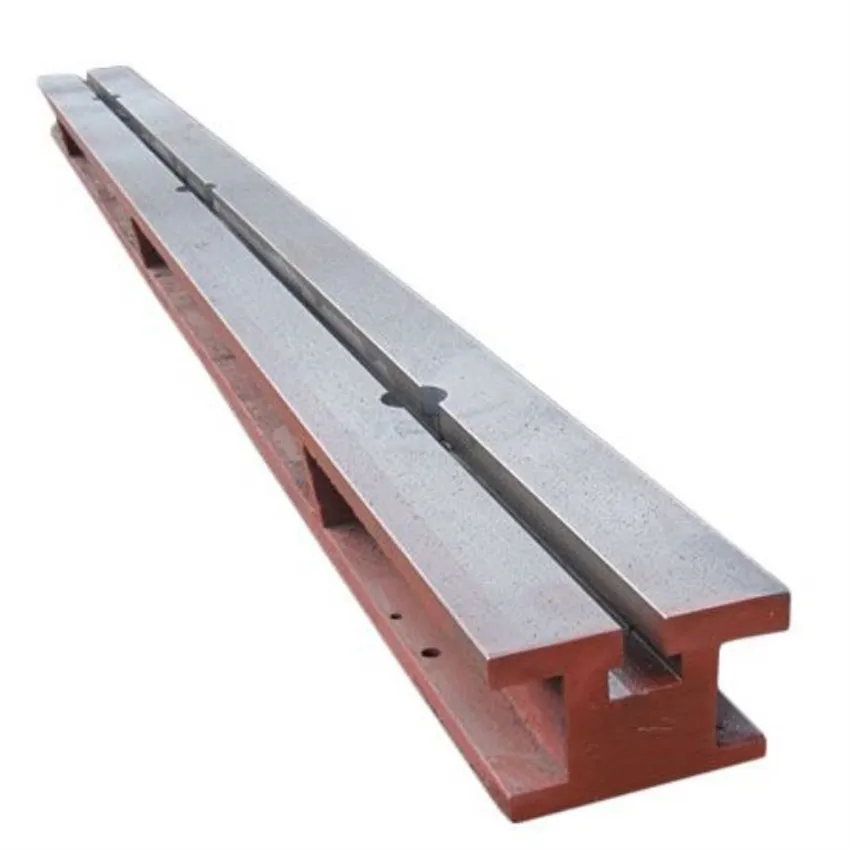
Versatile Tools for Establishing Precise Right Angles in Various Projects
The Right Angle Ruler Tool A Cornerstone for Precision in Drafting and Construction The right angle
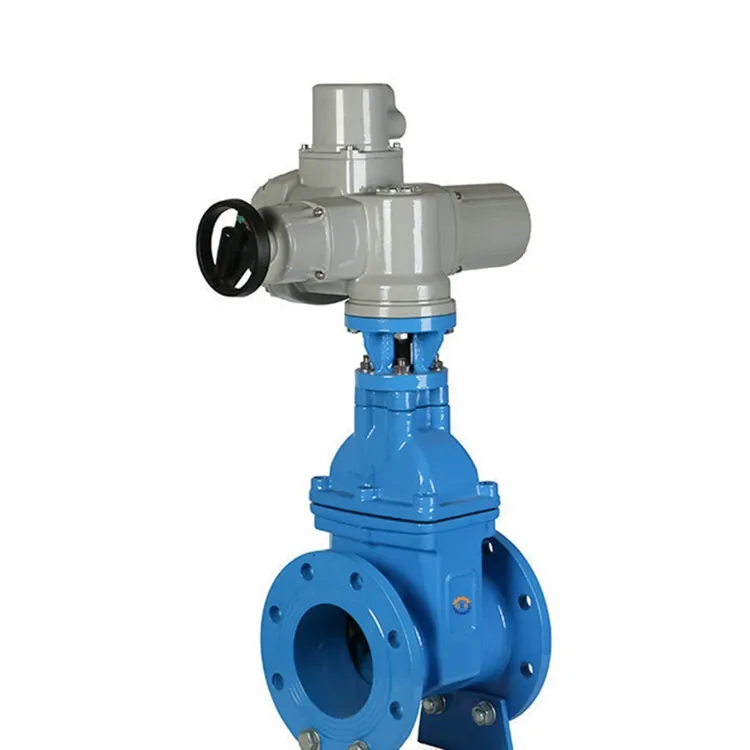
Vertical Y Strainer for Efficient Fluid Filtration Solutions
Understanding Vertical Y Strainers A Key Component in Fluid Systems In various industrial and munici
 English